Adolescent Idiopathic Scoliosis
Adolescent idiopathic scoliosis (AIS) is the most common type of scoliosis and typically develops between the ages of 10 and 18 during periods of rapid growth.
Many adolescents with scoliosis continue to participate fully in sports, exercise, dance, and other activities.
Early detection and individualized conservative treatment can help reduce or stabilize a curve during growth, minimize progression, and support long-term spinal health. The goal is to help adolescents maintain function, stay active, and reduce the risk of developing larger curves that may ultimately require surgical intervention.
Early assessment and individualized management can help support spinal health, movement confidence, and long-term function during growth.
Signs Your Child May Have Scoliosis
Some common signs of scoliosis may include:
One shoulder appearing higher than the other
Rib prominence or trunk asymmetry
Waist asymmetry
A shifted posture or pelvis
Changes noticed during growth spurts
Scoliosis is often identified during periods of rapid growth and may progress more quickly during adolescence. Early detection is important, particularly in growing children.
Understanding Progression
The likelihood of progression depends on several factors including:
Cobb angle magnitude
Skeletal maturity and growth remaining
Age
Curve type and location
Larger curves in younger children who are still growing have a greater risk of progression. Because scoliosis tends to change most rapidly during periods of accelerated growth, monitoring during adolescence is especially important.
Treatment Approach
Treatment recommendations are individualized and depend on the amount of growth remaining, curve magnitude, symptoms, activity goals, and overall function.
Management may include:
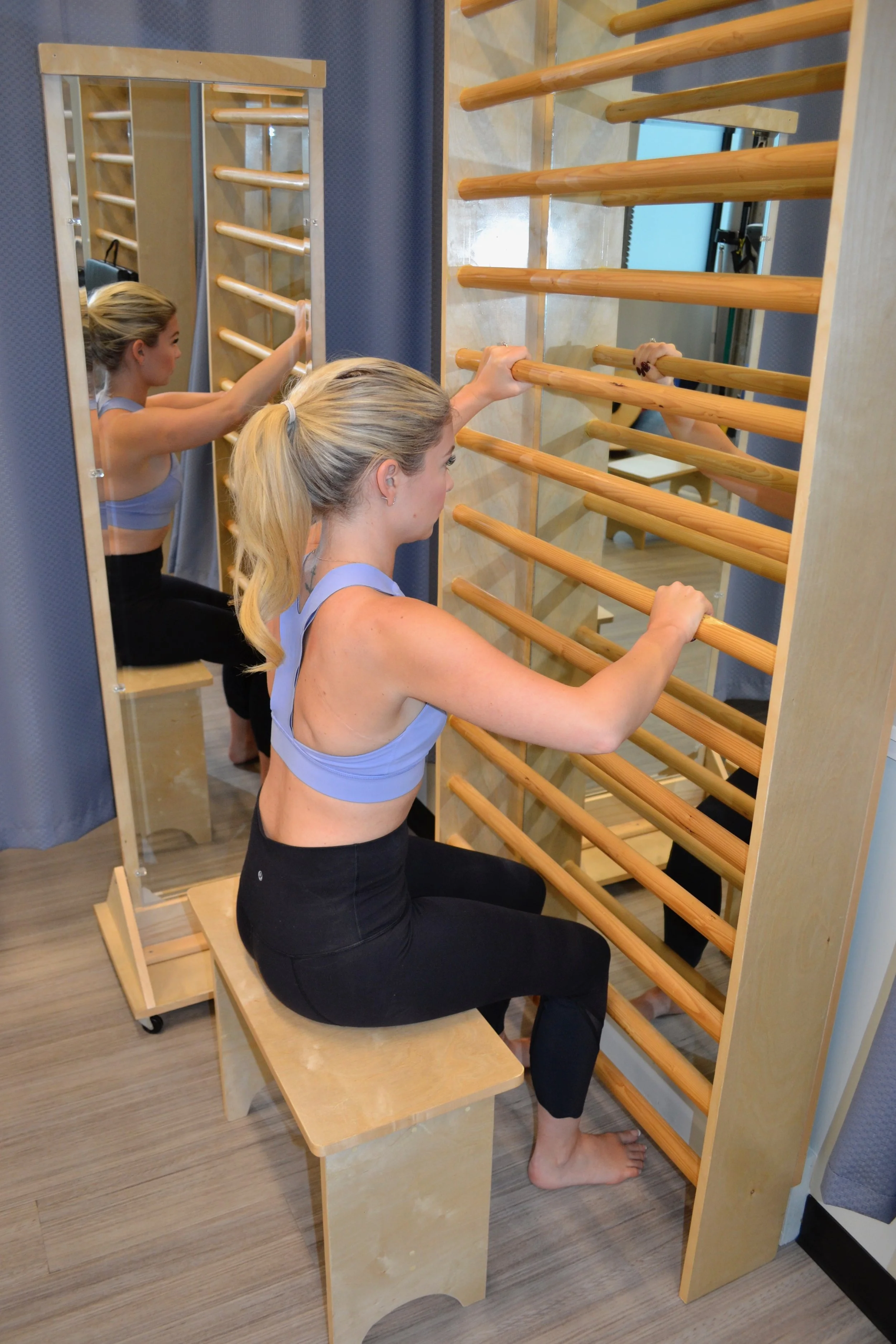
Physiotherapeutic scoliosis specific exercises (PSSE)
Postural education and movement strategies
Monitoring during growth
Collaboration with physicians and orthotists when appropriate
Bracing for some moderate curves during growth
The goal is to help adolescents understand their scoliosis, move confidently, and continue participating in the activities that are meaningful to them throughout growth and into adulthood.
Bracing
Bracing may be recommended for adolescents with moderate curves who are still growing. The goal of bracing is to reduce the risk of progression during growth and help prevent the development of larger curves that may ultimately require surgical intervention.
Research consistently shows that two of the most important factors influencing brace success are the amount of correction achieved in the brace and how consistently the brace is worn.
Laura works closely with local orthotists including:
Orthodynamics
Hodgson Orthopedic Group
to help coordinate individualized scoliosis care.
Scoliosis Specific Physiotherapy (PSSE)
Physiotherapeutic scoliosis specific exercises (PSSE) are individualized exercises designed to address the three-dimensional nature of scoliosis. Treatment aims to help adolescents develop awareness of their scoliosis posture, improve postural control, integrate corrective strategies into daily activities, and support long-term spinal health.
Treatment may include:
3D postural correction
Spinal elongation and corrective positioning
Rotational breathing strategies
Muscle activation and stabilization
Integration of corrected posture into daily movement and activities
PSSE may be used independently or alongside bracing and is tailored to the individual’s curve pattern, age, and goals.
Staying Active with Scoliosis
In most cases, activity and exercise are encouraged for adolescents with scoliosis. Maintaining strength, mobility, coordination, and overall fitness is an important part of long-term spinal health and confidence.
Treatment aims to support adolescents in continuing to participate in:
Sports
Dance
Gym activities
Recreational activities
Daily life with confidence and awareness
Supporting Long-Term Health
Adolescence is a time when young people are developing independence, exploring sports and activities, and building confidence in their bodies. A scoliosis diagnosis can feel overwhelming for both adolescents and their families.
Treatment should support adolescents not only during periods of growth, but also in developing the knowledge, confidence, and movement skills needed to stay active and healthy throughout life.
The goal is not simply to monitor a curve, but to help adolescents understand their bodies, move well, and continue participating in the activities that are meaningful to them.
Learn More
Common Myths About Scoliosis
Answers to some of the most common questions and misconceptions about scoliosis.
Current Research in Scoliosis Physiotherapy
Summaries of recent studies and conference updates